
Join us at University of Sydney or online, from 11am – 1pm on Thursday 26 February for a very special event with Dr Lih-Mei Liao Integrating psychosocial evidence to enhance modern healthcare for innate variations of sex characteristics (IVSC) / differences of sex development (DSD): a look-ahead workshop.
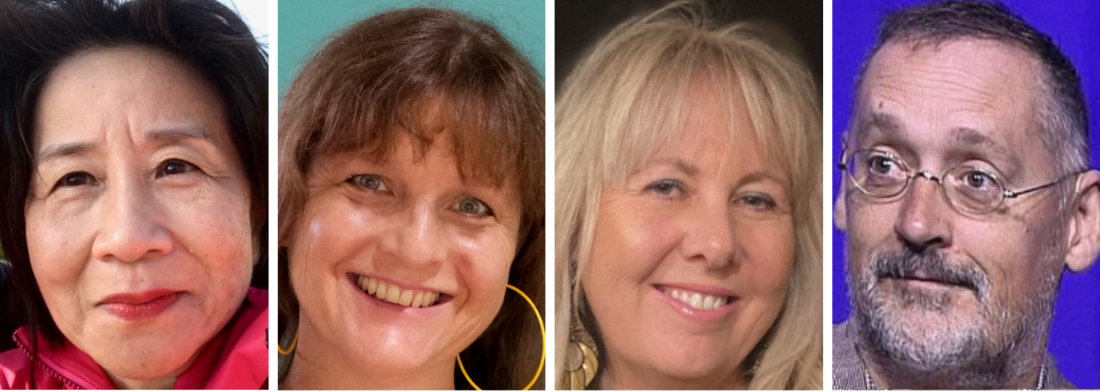
Lih-Mei is one of the world’s top experts on psychosocial issues and mental health of people with innate variations of sex characteristics (also termed intersex variations or differences of sex development). The event will also feature responses from Velissa Aplin, Bonnie Hart, and be chaired by Associate Professor Morgan Carpenter.
This event is co-presented by Sydney Health Ethics, InterAction for Health and Human Rights, and PSI-I: Psychosocial Studies Intersex international, with the option to attend via Zoom or in-person at the University of Sydney’s main campus.
Event details
Title: Integrating psychosocial evidence to enhance modern healthcare for innate variations of sex characteristics (IVSC) / differences of sex development (DSD): a look-ahead workshop
Abstract: Medical specialists, who adopt the terminology DSD, have described their struggles to psychosocial researchers. They speak of not having a crystal ball to visualise the future adult in order to know how best to manage the child, of ordering stacks of tests that turn out results too complex to convey to parents, of feeling dismayed when parents don’t talk to the growing child about their variation, and of being criticised for shoehorning patients into interventions to approximate social norms when they already take a conservative approach. In a sea of nebulous problems that no amount of training can prepare them for, many specialists disengage psychologically and look to techno medicine on the horizon to reduce uncertainties and improve outcome. But this could turn out to be a doomed fantasy, how so?
The main threat from IVSC is not that of a major illness, therefore technology itself won’t cut it. IVSC triggers crises of meaning and threatens selfhood, relationships and belonging. It requires a different response. Psychosocial providers understand unwanted experiences as intrinsic to being human and that with love, support and community, human concerns are generally laudable. They do not minimise the burden of normative pressures or oppose bodily interventions to treat unhappiness. However, experiences suggest that the more complex the medical intervention, the greater the need for detailed and nuanced psychosocial input. Practice experiences in this field suggest that elective irrevocable interventions involve complex trade-offs. Therefore they are best considered after meaningful psychological engagement, when people are less afraid, more agentic and, therefore, better placed to make dilemmatic, life changing decisions.
These parallel realities are well described in psychosocial research, scholarly analyses and clinical conversations. Yet they rarely feature in service designs. This means care users are left to navigate the disciplinary silos for themselves. Just imagine, if stakeholders were to learn together from psychosocial evidence and commit to providing seamless care experiences underpinned by a strong team spirit, what changes to existing services might ensue, what are the potential paths to achieve the changes, what new connections and alliances might be forged?
Speakers and bios
Dr Lih-Mei Liao
Lih-Mei Liao PhD is a clinical psychologist and health psychologist in the UK, a fellow of the British Psychological Society and a recipient of an achievement award from the Gay and Lesbian Medical Association in the US. In the last twenty years of her career in UK’s National Health Service, she was a consultant clinical psychologist and latterly the professional lead for adult psychology at University College London Hospitals.
She is best known for her research and strategic conversations on genital interventions. Her numerous publications in academic journals on the topic include peer reviewed articles, international guidances, special issues and book chapters. She has served on editorial boards, co-founded professional networks and consulted with groups and institutions nationally and internationally.
She remains passionate about clinical practice and considers herself an enthusiastic therapist “learning on the job”. Her monograph, Variations in Sex Development: Medicine, Culture and Psychological Practice, is a culmination of reflections of conversations spanning over 30 years involving thousands of care users, providers, advocates and research participants in a variety of clinical settings.
Velissa Aplin
Velissa Aplin is the Coordinator of the Variations in Sex Characteristics Psychosocial Service in the ACT, the Profession Lead for Social Work for Canberra Health Services, and a Chief Investigator with the Interconnect Health Research Project.
She brings almost 30 years’ experience in the mental health and trauma informed care fields, during which time she has worked in leadership, training, policy, consulting, research and senior clinical roles. Velissa has contributed to journal publications in the trauma informed care space and holds degrees of Bachelor of Arts (Psychology) and Bachelor of Social Work.
Bonnie Hart
Bonnie is the founding Service Manager of the intersex psychosocial support service InterLink, the Deputy Executive Director of InterAction for Health & Human Rights, a Research Fellow (Intersex Psychosocial Models of Care) and PhD candidate with the University of Southern Queensland, and a Chief Investigator and Lived Experience Lead with the Interconnect Health Research Project.
She is nationally recognised intersex lived-experience and content expert with 17 years’ experience working with and within the intersex community as an intersex peer worker, systemic advocate, consultant and mental health worker. Bonnie was an organising signatory of the 2017 Darlington Statement of intersex community consensus and founder of the YellowTick intersex education and inclusion initiative.
Associate Professor Morgan Carpenter
Morgan is the Executive Director of InterAction for Health and Human Rights, an Associate Professor at Sydney Health Ethics in the University of Sydney’s School of Public Health, and is the Chief Investigator A and a Lived Experience Lead for the Interconnect Health Research Project. He is also an inaugural member of the Australian Capital Territory’s new Restricted Medical Treatment Assessment Board, and the New South Wales government’s LGBTIQ+ Advisory Council.
He is an internationally recognised expert on human rights and ethics in relation to the treatment of people with innate variations of sex characteristics (also known as intersex variations or differences of sex development). His work focuses on medicine, health policy and social policy.
Morgan has been contracted to the Office of the High Commissioner for Human Rights, the Australian Capital Territory government and the Australian Institute of Health and Welfare. He is or has been a reference or advisory group member for the Australian Department of Health and Aged Care, Australian Bureau of Statistics and New South Wales Health.
Registration
Time: 11am to 1pm AEDT
Venue: Seminar Room 203, RD Watt Building, Science Rd, University of Sydney, NSW 2006
Join online via Zoom – click the registration link for details.